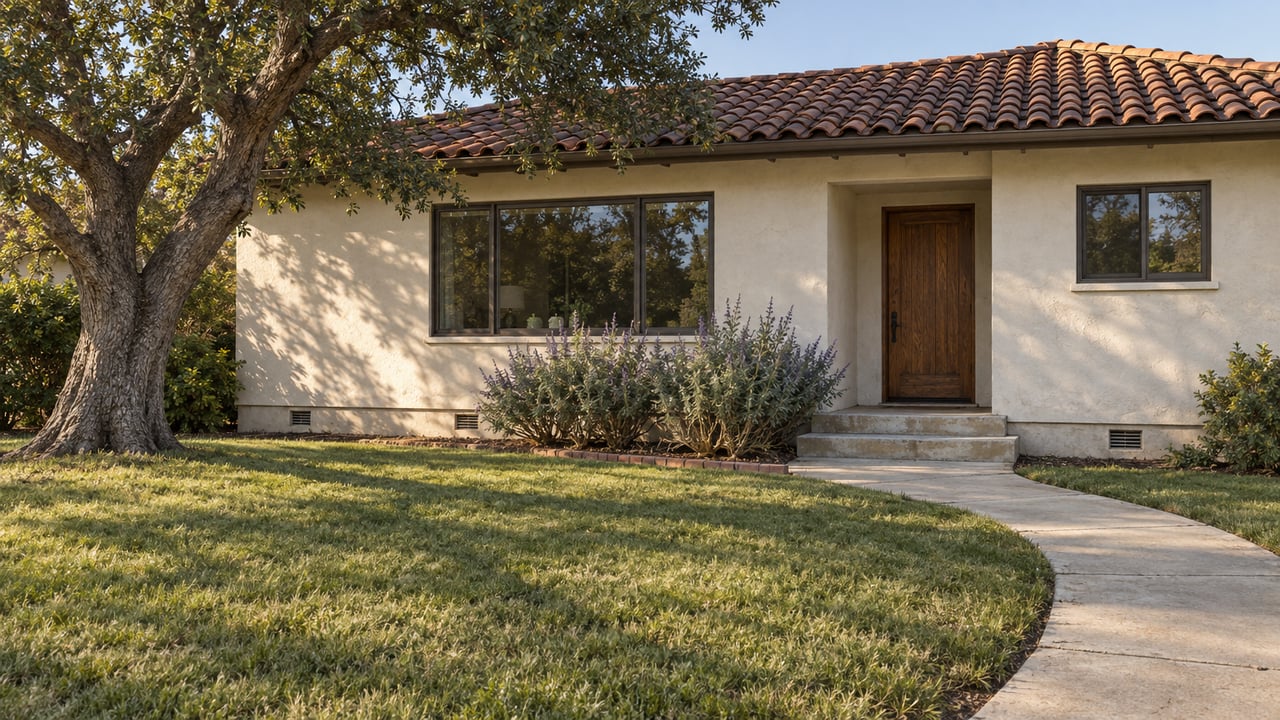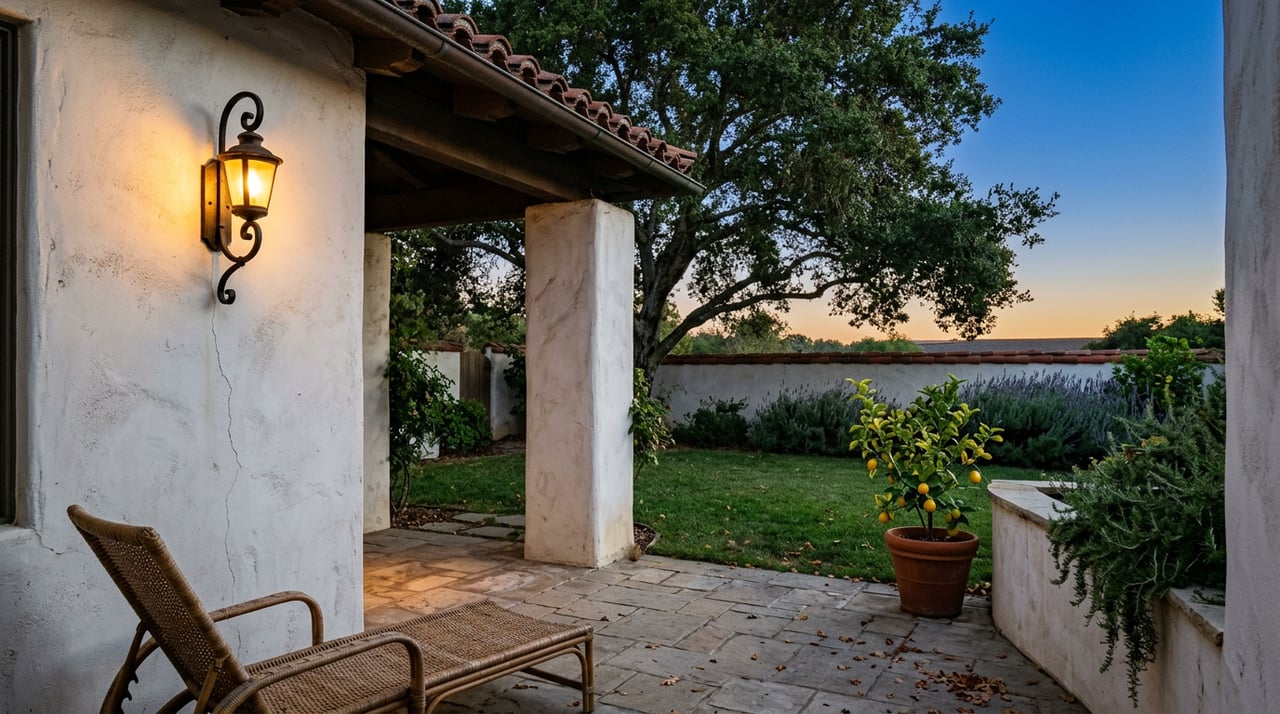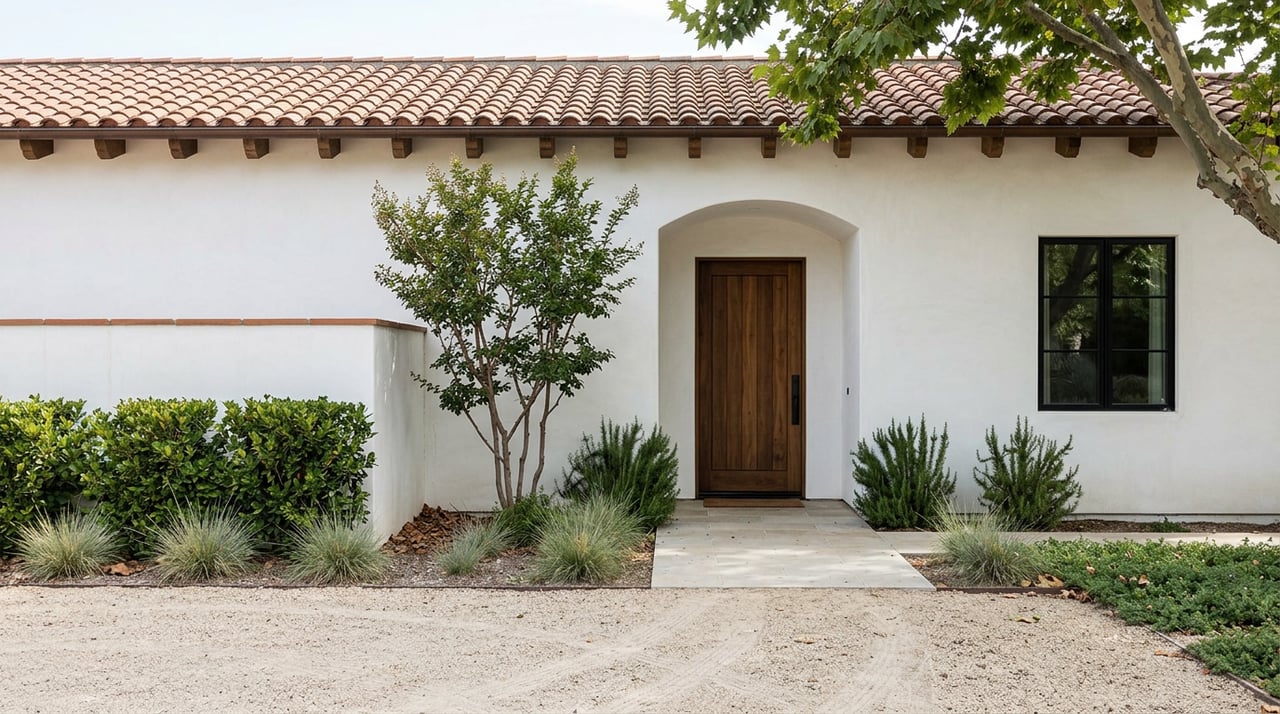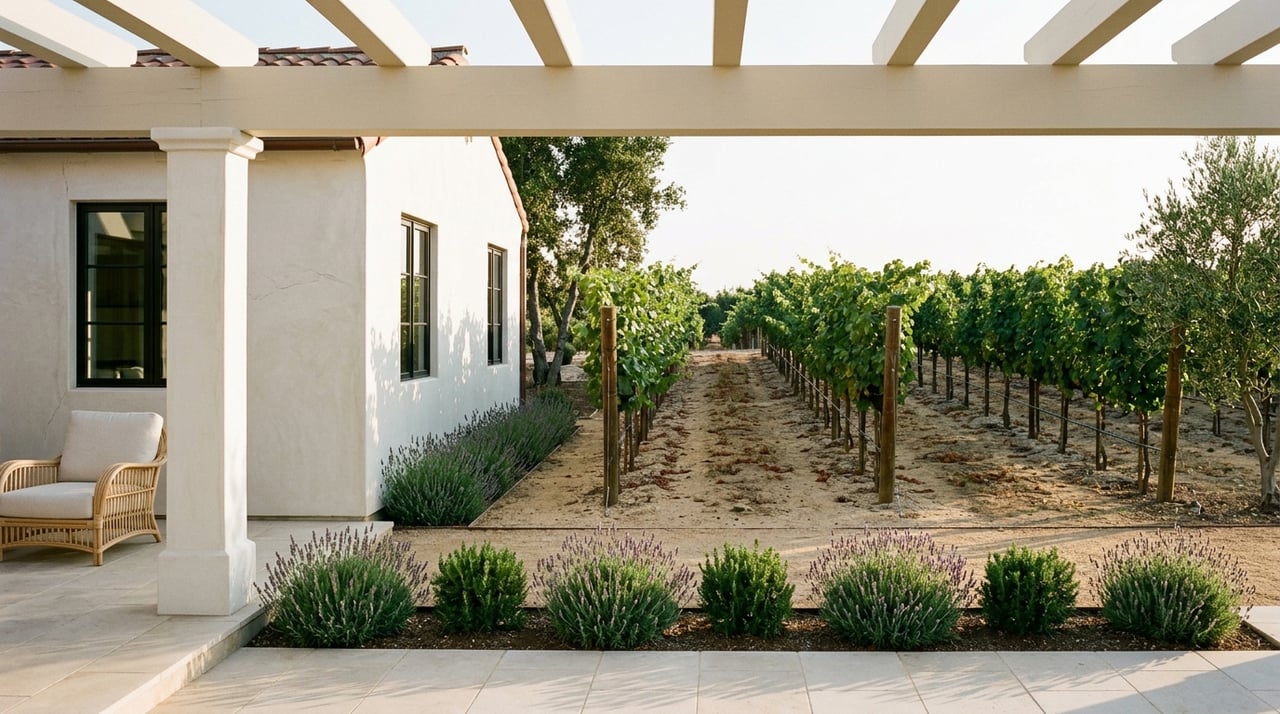
Thinking about buying a vineyard estate in Los Olivos? It is easy to fall in love with the views, the rows of vines, and the romance of wine country. But a vineyard estate is more than a beautiful home on acreage. It is also an agricultural asset, a water-dependent property, and a parcel shaped by county rules. If you know what to look for, you can evaluate a property with more clarity and confidence. Let’s dive in.
Start With the Big Picture
Los Olivos sits within the Santa Ynez Valley planning area, which Santa Barbara County describes as an unincorporated rural area with a strong agricultural tradition. That matters because the setting is not suburban and the rules that affect a property reflect that rural, agricultural framework.
You will also hear two wine-country terms that often get blurred together: Santa Ynez Valley AVA and Los Olivos District AVA. The Santa Ynez Valley AVA was established in 1983, and the Los Olivos District AVA was established in 2016 within the larger Santa Ynez Valley and Central Coast AVAs. These designations help define grape-growing identity and wine labeling, but they do not replace parcel-level review of land use, water, or vineyard condition.
Know What AVA Status Really Means
AVA status can add meaning to a vineyard estate, especially if you care about grape origin or future wine labeling. The Alcohol and Tobacco Tax and Trade Bureau treats an AVA as an appellation of origin for wine labeling, which is useful for branding and market identity.
At the same time, AVA status should never be your shortcut for evaluating the property itself. A parcel can sit in a respected AVA and still have challenges tied to water supply, planting layout, drainage, access, or permits. In other words, the location may support the story, but the property details support the value.
If your long-term plan includes producing and labeling wine from the estate, the details matter early. Current rules require at least 85% of the wine to come from grapes grown in the labeled AVA, and estate-bottled wine must be labeled with a viticultural area.
Compare Total Acres to Planted Acres
One of the first questions to ask is simple: how much of the property is actually planted? Total acreage can sound impressive, but planted acreage and realistically plantable acreage are what matter most when you are evaluating vineyard utility and value.
Ask for a block map before or during your review process. A strong block map should show planted blocks, varieties, rootstocks, row spacing, trellis type, irrigation zones, replants, and access lanes. That information helps you move past marketing language and into the real operating picture.
Focus on Site Capacity
A useful concept for comparing vineyard estates is site capacity. UC ANR describes site capacity as a function of the site’s soils and microclimate, and it drives decisions about variety, rootstock, spacing, irrigation, and trellising.
This matters because a vineyard performs best when the physical design fits the site. Well-drained soils are generally preferred, while poor drainage should raise questions. If the planting plan does not match the site’s capacity, you may be looking at a property that needs changes, added expense, or a revised long-term strategy.
Questions to Ask About Vineyard Design
- What varieties are planted in each block?
- What rootstocks are in use?
- What are the vine and row spacings?
- What trellis or training systems are installed?
- Have any blocks been replanted, and if so, when?
- How are irrigation zones divided across the vineyard?
Common training systems may include VSP, GDC, single high wire, lyre, or head-trained vines. The goal is not to prefer one system automatically. The goal is to understand whether the system fits the site’s vigor, soils, and growing conditions.
Study Slope, Drainage, and Exposure
A vineyard estate can look stunning from the road and still deserve a closer technical review. Slope, aspect, elevation, and air and water drainage all affect how the site functions.
UC guidance emphasizes choosing sites with good air and water drainage and carefully evaluating slope and aspect. Steeper slopes can create machinery challenges and erosion concerns. Poor drainage can limit vine performance and raise long-term management issues.
What to Notice on Site
- Whether water appears to move off the site cleanly
- Whether low spots suggest drainage issues
- How steep the planted areas are for equipment access
- Which directions the planted blocks face
- Whether elevation changes appear to shape temperature or airflow
These features help you understand how usable and resilient the vineyard may be over time.
Ask About Land History
Past land use is not a minor detail. It can affect both current vineyard performance and future replanting decisions.
UC ANR notes that previous crops, older root systems, persistent chemicals, weeds, and soil-borne pests or diseases can all influence new plantings. For a buyer, that means land history is an asset-value issue. If a vineyard has been replanted, or if portions of the land were used differently in the past, you should understand that history clearly.
Make Water a Core Part of Value
In Los Olivos, water is not just an operating line item. It is one of the main pillars of property value. The broader Santa Ynez River Valley Groundwater Basin underlies much of the region, and annual precipitation across the valley ranges from 15 to 21 inches, with an average of 17 inches.
That climate reality makes irrigation security essential. UC IPM notes that irrigation is essential for grape growth and production, even though grapes can adapt to lower water levels with reduced fruitfulness. Deep watering practices, soil type, root depth, and weather all shape irrigation needs.
Water Questions Worth Asking Early
- What is the water source for the vineyard and residence?
- Does the property rely on a private well or small water system?
- Has the well or source water been tested recently?
- Is there documentation on well integrity and water quality?
- How is irrigation distributed across the blocks?
Santa Barbara County’s Environmental Health water program exists to help keep small public and private systems safe and adequately supplied. That makes source-water testing and basic water review an important part of diligence, especially on rural estates.
Understand Groundwater Oversight
If the property depends on groundwater, ask which management area governs the parcel. The Santa Ynez River Valley Basin is managed through local groundwater sustainability agencies and management areas.
This may affect how you think about long-term operations, reporting, or pumping considerations. You do not need to become a groundwater expert overnight, but you do want clarity on how the parcel fits into the local management structure before you close.
Verify Uses, Permits, and Entitlements
One of the biggest mistakes buyers make is assuming that a feature on the property is automatically legal, approved, or transferable in the way they expect. In Santa Barbara County, planning and permitting are central to what can actually happen on a parcel.
That includes questions around residences, barns, guest quarters, agricultural processing, tasting use, event use, and hospitality-related uses. The county’s Agricultural Enterprise Ordinance framework includes processes for uses such as farmstay, campgrounds, small-scale special events, educational experiences, low-impact camping areas, and small-scale agricultural processing. That does not mean every estate qualifies for those uses.
What to Confirm With the Parcel
- Existing zoning
- Permit history
- Whether current improvements were properly approved
- Whether guest quarters or additional residential spaces are permitted
- Whether event, hospitality, or farmstay uses are approved
- Whether agricultural processing is permitted
- Grading permits, if applicable
- Septic or wastewater capacity
- Recorded easements or access restrictions
This kind of review is especially important if you are buying with a vision that goes beyond simply owning acreage. Your intended use needs to line up with the parcel’s approvals.
Match the Property to Your Goals
Not every vineyard estate should be judged by the same standard. A buyer looking for a private lifestyle retreat may prioritize setting, residence quality, and manageable vine operations. A buyer focused on wine production may care more about planted acres, block design, water reliability, and labeling strategy.
That is why the best evaluations start with your intended use. Once your goals are clear, it becomes easier to judge whether the property supports them or simply looks appealing at first glance.
A Simple Evaluation Framework
When you compare vineyard estates in Los Olivos, it helps to think of each one as three overlapping assets:
- An agricultural production site
- A water-dependent rural property
- A parcel governed by county use rules and wine-labeling requirements
This framework can keep you grounded during the search process. It also helps you ask better questions before emotion takes over.
A beautiful estate may still deserve scrutiny on planted acreage, site capacity, water testing, or permit history. On the other hand, a less flashy property with strong fundamentals may offer more long-term confidence and flexibility.
In a market like Los Olivos, local knowledge matters because vineyard estates are rarely one-dimensional purchases. If you want a clear-eyed review of a property’s strengths, constraints, and fit with your goals, working with an advisor who understands parcel-level details can make the process far more efficient. When you are ready for discreet, hands-on guidance in the Santa Ynez Valley, connect with Nina Stormo for a private consultation.
FAQs
What does Los Olivos District AVA mean for a vineyard estate?
- It refers to a recognized grape-growing area used for wine origin and labeling, but it does not replace parcel-level review of water, land use, vineyard condition, or permits.
What should you ask about planted acreage on a Los Olivos vineyard estate?
- Ask how many acres are actually planted, how many are realistically plantable, and request a block map showing varieties, rootstocks, spacing, trellis systems, irrigation zones, and replants.
Why is water review important for Los Olivos vineyard properties?
- Vineyard operations depend on reliable irrigation, and buyers should review water source, recent testing, well integrity, water quality, and how the property fits within local groundwater management.
What county approvals should you verify on a Los Olivos estate parcel?
- You should verify zoning, permit history, approved improvements, septic or wastewater capacity, access easements, and whether uses like events, farmstay, guest quarters, or processing are actually permitted.
How can you compare two vineyard estates in Los Olivos more effectively?
- Compare them as agricultural sites, water-dependent rural properties, and regulated parcels, then measure each one against your specific goals for lifestyle use, grape growing, or future wine production.