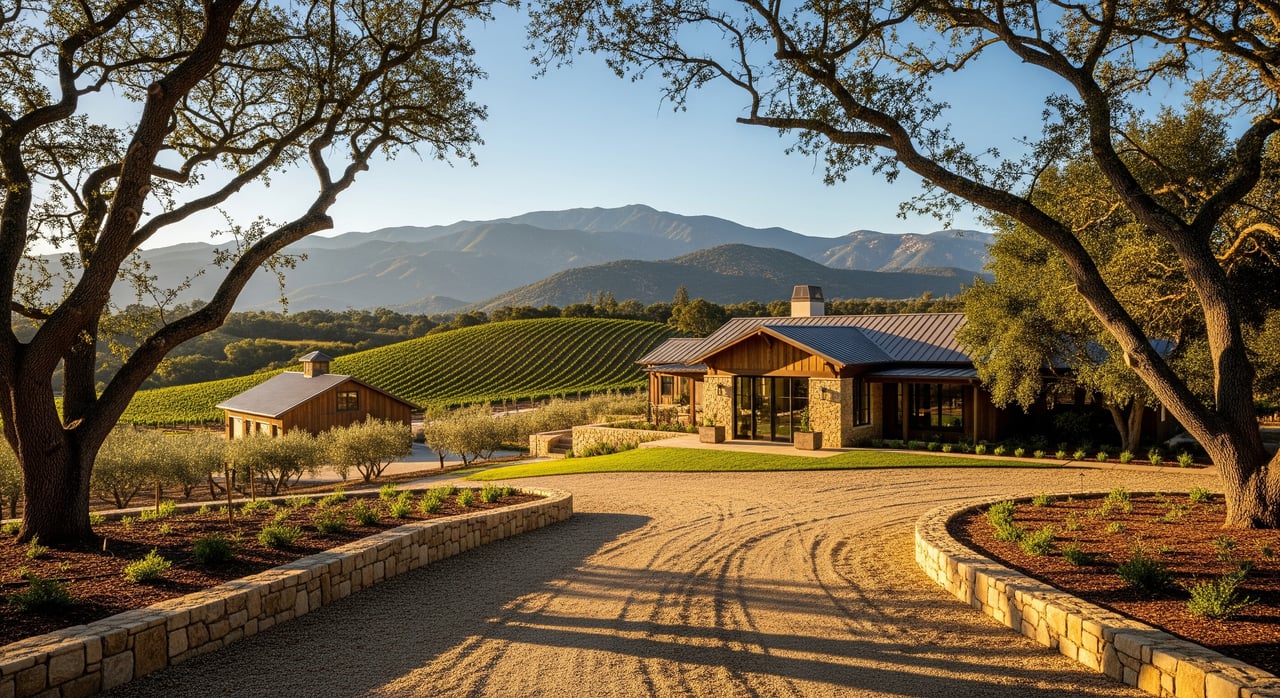
Dreaming about a Ballard vineyard, a private riding arena, or a view-filled estate? In the Santa Ynez Valley, zoning and permits shape what is possible on every parcel. When you understand the rules up front, you can protect your timeline, avoid surprises, and buy with confidence. Below, you will learn what zoning controls, how common local zones affect vineyards and equestrian uses, what to verify during due diligence, and who to call for clear answers. Let’s dive in.
Zoning 101 in Ballard
Ballard sits in unincorporated Santa Barbara County, so county rules apply instead of city ordinances. The Santa Barbara County Planning & Development Department administers zoning, permits, and land-use approvals. Your parcel’s zoning controls permitted uses, density and lot size, setbacks, heights, and accessory uses, and it flags when you need discretionary approvals like Conditional Use Permits or variances.
For rural and agricultural properties, zoning also interacts with septic and well standards, fire safety and access, and environmental protections such as oak tree and habitat rules. These layers matter if you plan to add buildings, expand a vineyard, host guests, or launch income-producing activities.
How zone types affect your plans
Agricultural zones (AG, A-1, A-2)
- Vineyards: Planting and cultivating grapes is typically an agricultural use and often allowed by-right. Processing grapes, tasting rooms, and visitor events usually need discretionary review.
- Estates: A single-family residence is commonly allowed at low density. Accessory dwelling units or guest houses may be possible but can be limited by septic capacity or floor-area standards.
- Equestrian: Keeping horses for personal use is typical. Commercial boarding or riding schools often require permits and specific operating conditions.
Rural Residential and Estate zones (RR, E-1, E-2)
- Estates: Large-lot living with building envelopes, setbacks, and lot coverage limits. Small hobby vineyards or private horse facilities are common.
- Commercial uses: More restricted. Visitor-serving activities or commercial operations may trigger permit review or be limited.
Residential single-family (RS, R-1)
- Less common for larger Ballard parcels. These zones tend to restrict agricultural commercial uses and have smaller minimum lot sizes.
Overlays and special designations
- Open Space, Scenic, Special Use, Agricultural Preserve, or conservation contracts can add restrictions on development, lot splits, or tree removal. Always confirm overlays and recorded easements early.
Vineyards, wineries, and events
Planting vines is not the same as running a winery. County rules often treat production, tasting rooms, and events differently from farming. Activities that welcome visitors can require a Conditional Use Permit, traffic and parking plans, limits on event frequency, and sometimes environmental review. If a property already has a winery permit, expect conditions you must follow.
Beyond zoning: systems, safety, and environment
- Septic and wells: System capacity, design, and water yield can limit added bedrooms, guest units, and high-occupancy uses. Quality testing for irrigation and domestic water is a smart early step.
- Fire safety and access: Defensible space, driveway grades and widths, turnarounds, and on-site water storage may affect where and how you can build.
- Habitat and trees: Oak stands, riparian areas, or sensitive habitats can influence building sites, arena locations, and vineyard layout.
What to verify on any Ballard property
Ask for these items early and build them into your contingencies:
- Zoning classification and zoning map confirmation for the specific parcel
- General Plan land-use designation and any overlay districts
- Recorded easements, covenants, and CC&Rs that may limit uses or structures
- Any Conditional Use Permits, variances, and permit history, including winery or event conditions
- Williamson Act or agricultural conservation contracts that affect development and taxes
- Water information: well logs, pump tests, water quality, and any shared system agreements
- Septic records: permits, location map, capacity, and recent inspection reports
- Access: who maintains the road, driveway standards, and any gates or steep grades
- Fire clearance and any prior fire inspection notes or conditions
- Environmental constraints: tree and habitat reports, wetlands, or flood considerations
- Soil and geotechnical reports relevant to vines, septic suitability, slope, and erosion control
- Taxes and assessments: property tax status, special districts, and agricultural classifications
Who to contact locally
- Santa Barbara County Planning & Development Department for zoning verification, maps, and permit records
- Environmental Health Services for septic permits, well records, and wastewater guidance
- County Fire or the Fire Marshal for defensible space, water supply, and access requirements
- Public Works for road access, drainage, and right-of-way information
- Agricultural Commissioner, UC Cooperative Extension, or a local viticulturist for crop and soil guidance
- Civil and geotechnical engineers for septic, grading, drainage, and driveway feasibility
- Land-use attorney for CUPs, variances, Williamson Act contracts, and permit timelines
- Licensed surveyor or your title team for boundary, easement, and encroachment verification
Micro-area differences: why location matters
Ballard offers a rural, boutique-vineyard feel with rolling hills and a mix of agricultural and estate uses. Expect that winery production, tasting, and events are more regulated than vine planting, and that narrow roads can influence parking and traffic plans. Nearby Los Olivos blends a village core with rural parcels and may apply closer scrutiny to visitor-serving uses near the town center.
Closer to Santa Ynez and Buellton on the valley floor, you will find more mixed uses and access to highway corridors. That can change noise and visibility considerations and, in some areas, access to municipal services. Even within short distances, permit expectations and neighborhood norms can shift.
Examples you might encounter:
- An AG parcel in Ballard with existing vines: expanding plantings is often agricultural-by-right. Opening a tasting room or hosting weddings likely requires permits, parking solutions, and visitor limits.
- A rural-residential parcel near Los Olivos: even small winery operations can face tighter limits or denials due to village-scale planning and tourism traffic policies.
- Parcels near waterways or oak stands: siting arenas, barns, or new vineyard blocks may be constrained to protect habitat and trees.
Permit pathways and timelines
By-right agricultural uses, like planting crops or personal horse-keeping, are usually simpler and may need only building permits for structures. Visitor-serving uses, commercial boarding, wineries, and subdivisions typically require discretionary review that can take months and may include public hearings and conditions. Larger projects can trigger environmental review, which adds time and mitigation requirements.
Infrastructure can shape feasibility as much as zoning. Septic capacity, well yield, fire access, and on-site water for fire protection are frequent gating items. Anticipate engineering and potential upgrades if your plans increase occupancy or guest counts.
Buyer checklist you can use today
Before making an offer:
- Ask the seller or listing agent for the parcel’s zoning designation and any CUPs or recent permits
- Request well logs, septic permits and inspections, and any soil or viticulture reports
- Obtain a preliminary title report, CC&Rs, and any conservation or agricultural contracts
During due diligence:
- Secure a written zoning verification letter from County Planning that confirms allowed uses and any open code-enforcement items
- Order a site plan survey, septic inspection, well pump test, and soils or geotechnical reports as needed
- Speak with Environmental Health, Planning, Public Works, and Fire about your intended uses, from vineyard expansion to events or horse boarding
- If pursuing visitor-serving or commercial uses, engage a land-use attorney to evaluate permit transfer, likely conditions, and timelines
Before you operate:
- Confirm guest parking and traffic mitigation options
- Review wildfire risk, insurance availability, and any required fire mitigation
- For vineyard goals, consult a viticulturist on varietal fit, irrigation needs, and operating costs
The bottom line
In Ballard, success starts with clarity. Zoning sets the boundaries for what you can do, and systems like septic, wells, and fire access determine how far you can go. With the right due diligence and local advisors, you can align your plans with County pathways and move forward with confidence.
If you want parcel-specific guidance or help coordinating the right specialists, connect with Nina Stormo to map out a strategy that fits your goals.
FAQs
Can I plant grapes on a Ballard agricultural parcel?
- Most agricultural parcels can be planted with vines as a standard agricultural use. Confirm irrigation availability, slope, soils, and any habitat protections that might limit planting locations.
If a parcel has vines, can I run a winery and tasting room?
- Not automatically. Winery production, tasting rooms, and visitor events generally require County permits and may include limits on visitors, parking, hours, and event frequency.
Can I keep horses and run a boarding business on my property?
- Private horse-keeping is commonly allowed, but commercial boarding or riding schools usually require discretionary review and must meet standards for manure management, noise, and animal units.
How does the Williamson Act affect my plans?
- A Williamson Act or agricultural conservation contract can restrict conversion to non-agricultural uses while offering tax benefits. Verify contract status and permitted activities before you buy.
What if my driveway is steep or gated?
- Fire access standards for grade, width, turnouts, and turnarounds may apply and can influence where you can build or whether upgrades are needed for permits and insurance.
Do I need environmental studies for new projects?
- Larger discretionary projects can require environmental review that addresses biological resources, traffic, noise, cultural resources, and more. This can extend timelines and add mitigation conditions.