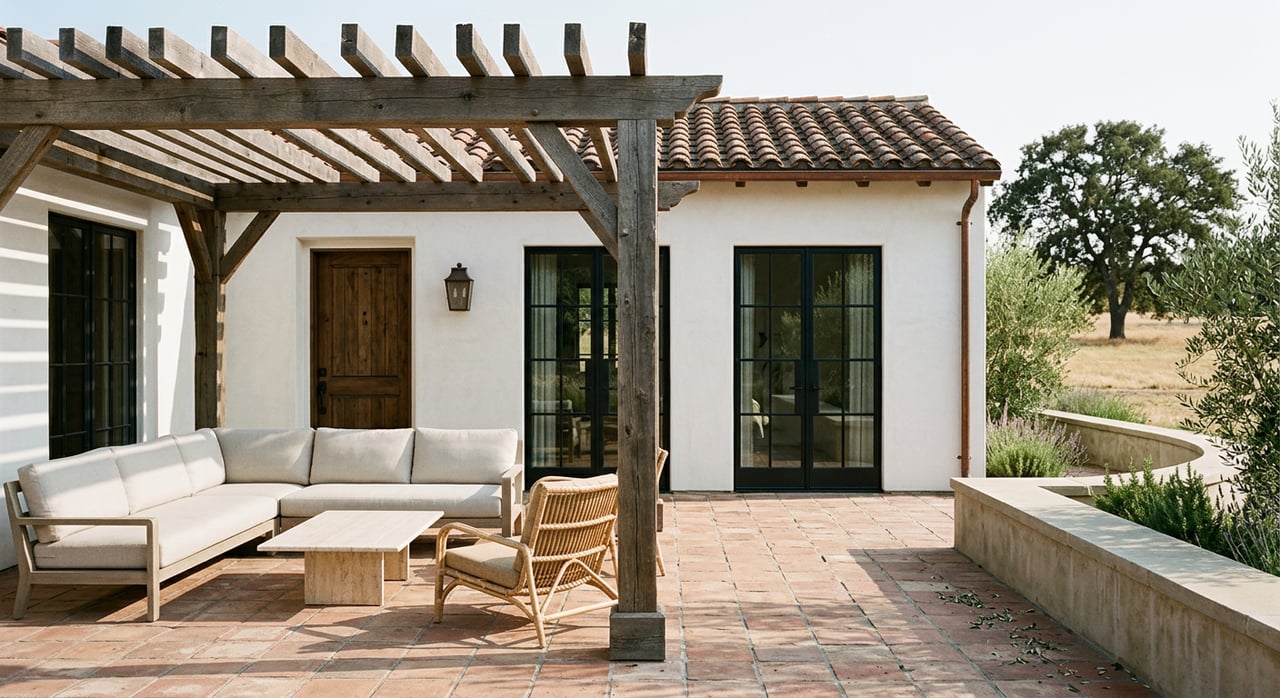
Craving a quieter pace in wine country without giving up great food, scenery and access to nearby towns? Ballard might be your sweet spot. This tiny village in the Santa Ynez Valley blends historic charm with a relaxed, rural feel, and it offers the kind of space and privacy that can be hard to find along the coast. In this guide, you’ll learn what it is like to live in Ballard, the types of homes and land you will see, and the key steps to shop smart in a small, low‑inventory market. Let’s dive in.
Why Ballard stands out
Ballard is a historic, unincorporated village in the Santa Ynez Valley known for its small scale and bedroom‑community character. It covers about 2.8 square miles and had 768 residents at the 2020 Census, making it the smallest of the valley towns by population. You will feel that intimacy on day one. Census Reporter’s Ballard profile and the Ballard overview on Wikipedia are helpful for context.
Beyond the numbers, Ballard reads as a village rather than a typical downtown. You will find historic buildings, mature trees and just a handful of hospitality spots. The vibe is calm and residential, with most daily services and larger retail found in nearby valley towns.
Lifestyle and local flavor
Three anchors summarize Ballard’s character: the Little Red Schoolhouse, the Ballard Inn & The Gathering Table, and Bob’s Well Bread. These landmarks capture the community’s history, hospitality and everyday rhythm. You can learn more about the village’s story and landmarks in the Ballard Wikipedia entry.
Ballard’s social life runs simple by design. Locals enjoy quiet mornings at the bakery, evenings at the inn’s restaurant, and easy outings to nearby tasting rooms and restaurants across the valley. Visitor materials often describe Ballard as small, rural and curated, with more tasting rooms clustered in Los Olivos. For a quick flavor of the area’s hospitality scene, see the regional overview in the Santa Ynez Valley visitor guide.
Location and access
Ballard sits in the heart of the Santa Ynez Valley, a short drive to Los Olivos, Solvang and Santa Ynez. That proximity is a big reason buyers choose it: you can live in a quieter village setting while staying close to restaurants, tasting rooms and services. The Ballard page on Wikipedia maps out its position relative to nearby towns.
Commuting and weekend logistics are straightforward. Many residents use Ballard as a base for valley‑wide dining, shopping and outdoor recreation, then return home to a peaceful, low‑traffic street.
Wine-country setting
Ballard sits beside Ballard Canyon and within the broader Santa Ynez Valley wine region. Nearby vineyards, rolling hills and open skies are part of daily life here. The surrounding terroir is recognized within the Ballard Canyon AVA, which is one reason hobby vineyards and view‑oriented estates are common in buyer wish lists.
If you are a weekend wine traveler, you will appreciate how central Ballard feels. Los Olivos tends to host the denser tasting‑room cluster, while Ballard offers a quieter home base. Food & Wine regularly highlights the LA‑to‑Valley weekend tradition, which aligns with what many second‑home buyers seek. For inspiration, browse this Food & Wine overview of Santa Ynez Valley wineries.
Homes and land options
Ballard’s housing stock reflects its rural roots. You will see:
- Historic farmhouses near the village core, some preserved with period details.
- Renovated modern farmhouses and estate homes with updated kitchens, indoor‑outdoor flow and guest spaces.
- Small ranchettes and hobby‑vineyard parcels on 1 to 6 acres, often with outbuildings.
- Occasional larger ranch or estate holdings in the surrounding valley.
Lot sizes vary widely. Near the core, fractional‑acre parcels around roughly half an acre are common. On the edges and beyond, 1 to 6‑acre ranchettes are a typical target for buyers who want room for a small barn, guest house or gardens. Larger properties do exist in the broader valley as well.
Pricing moves with the mix. Because Ballard is small, a single high‑end sale can swing short‑term medians. It is wiser to frame value by property type and acreage than to rely on a single point‑in‑time median. Ask for a current, property‑specific snapshot when you are ready to tour.
What buyers seek here
Buyers who target Ballard usually share a few priorities:
- A small‑town lifestyle anchored by the local elementary program and a tight community.
- Space for equestrian uses, gardens, small barns and hobby vineyards.
- A quiet base close to Los Olivos, Solvang and Santa Ynez dining and tasting rooms.
- Privacy, views and the ease of a rural setting that still feels connected.
Second‑home and weekend buyers, often from Southern California, also value how effortless it is to settle in on a Friday and be at a favorite restaurant or tasting lounge within minutes. That blend of calm at home and access nearby is Ballard’s signature.
Smart due diligence steps
Ballard is in unincorporated Santa Barbara County, so county rules govern land use. A little upfront homework goes a long way in a rural market. Build these items into your plan:
- Zoning and permitted uses. Verify zoning, overlays and any Conditional Use Permits early, especially if you plan barns, guest houses, events or a tasting space. For a practical primer, read this overview of zoning basics for Santa Ynez Valley buyers.
- Water and wastewater. Many parcels use private wells and septic systems. Order well logs, pump tests and septic records during contingencies, and confirm capacity if you intend to add bedrooms, an ADU or irrigated vines. The zoning basics guide outlines the common checkpoints.
- Wildfire and insurance. Portions of the valley map into higher fire‑hazard zones. Review the latest county fire‑hazard maps, plan defensible space, and confirm insurance options early. See the update on new local responsibility area maps from Santa Barbara County Fire.
- Agricultural and vineyard plans. Planting vines is typically agricultural by right, but a commercial winery, tasting room or event use can require discretionary permits. If a parcel has a conservation or Williamson Act contract, understand how that affects use and taxation. The Stormo Homes zoning guide is a good starting point.
- Roads, access and utilities. Confirm who maintains private roads or shared easements, and check gate access, turning radii and utility locations. These details matter for daily living and any future improvements.
- Title, easements and CC&Rs. Order a preliminary title report upfront. Recorded easements and covenants can shape where you build, plant or fence.
How to shop in Ballard
Shopping strategy matters in a village this small. A few tips can help you move with confidence:
- Expect limited inventory. Ballard often has only a handful of listings at a time, and some trades happen quietly. Ask about private or off‑market opportunities.
- Be ready on due diligence. Desirable parcels that check the boxes on school district, usable acreage, water and safe access can draw strong interest. Lining up lender pre‑approval and inspection resources helps you keep pace.
- Focus on fit over medians. Because short‑term statistics can jump around, compare recent sales by property type and acreage. Use that context to shape your offer and your expectations.
Is Ballard right for you?
If you want a peaceful village setting in the Santa Ynez Valley with historic character, open skies and quick access to Los Olivos, Solvang and Santa Ynez, Ballard delivers. You trade a busy downtown for quiet streets, larger lots and a close‑knit feel. For many buyers, that balance is exactly the point.
When you are ready to explore, you deserve guidance rooted in local knowledge. From zoning and water to quiet, off‑market opportunities, a seasoned, valley‑based advisor can help you buy with clarity and confidence. If that sounds like the experience you want, connect with Nina Stormo for a private consultation.
FAQs
What is Ballard like day to day?
- A quiet, historic village with a rural feel, a few hospitality spots and quick access to neighboring towns for most services.
Where is Ballard in the Santa Ynez Valley?
- It sits near Ballard Canyon between Los Olivos, Solvang and Santa Ynez, making each an easy, short drive.
What types of homes are in Ballard?
- Historic farmhouses, renovated modern farmhouses and estate homes, plus ranchettes and hobby‑vineyard parcels with outbuildings and horse facilities.
How big are typical lots?
- Near the village core you often see roughly half‑acre parcels, while 1 to 6‑acre ranchettes are common on the edges and nearby countryside.
Is Ballard good for wine and equestrian interests?
- Yes, the setting near the Ballard Canyon AVA attracts buyers who want small vineyards, barns or fenced pastures, subject to county zoning and permits.
How competitive is the Ballard market?
- Inventory is limited and sales counts are small, so well‑rounded properties can move quickly and short‑term price stats can swing with just one sale.
What due diligence should I plan for a rural property?
- Verify zoning and permits, order well and septic evaluations, review fire‑hazard and insurance options, confirm access and easements, and obtain a preliminary title report.
Does Ballard have its own school?
- Yes, the Little Red Schoolhouse provides a local K–6 program, while most other services and schools are accessed across the valley.